EU Agrees on Defense Strengthening Plan Amid Strained Consensus
Hungary's Viktor Orban blocks military aid conclusions for Ukraine at EU summit.
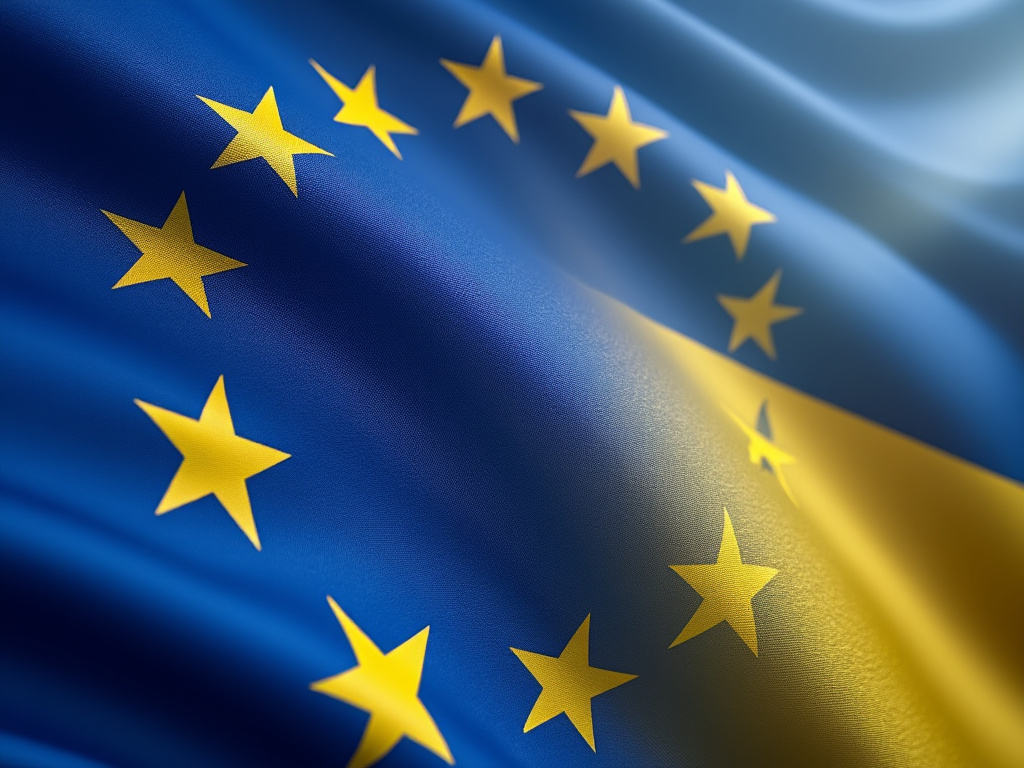
European Union leaders convened in Brussels for a special summit focused on enhancing the security framework of Europe, particularly in the context of the ongoing conflict in Ukraine.
While the 27 member states reached an agreement on a comprehensive defense plan valued at €800 billion, Hungarian Prime Minister Viktor Orban declined to endorse the conclusions regarding military assistance to Ukraine, which consequently moved forward with support from the other 26 EU states.
Discussion at the summit highlighted a collective resolve among EU nations to accelerate military mobilization and funding necessary to reinforce Europe's defense apparatus.
The conclusions underscored the existential threat posed by the war in Ukraine and its repercussions for both European and global security.
EU leaders agreed that Europe must evolve into a more autonomous and responsible entity capable of addressing current and future security challenges.
The plan aims to enhance the EU's overall defense readiness, reduce strategic dependencies, and bolster the European defense technological and industrial base to ensure adequate equipment supply at necessary scales and speeds.
As reported, the leaders indicated their consensus on increasing defense budgets across the continent, with intentions to relax expenditure restrictions in a bid to allow greater investment in military production capabilities.
The measures also included a proposition by the European Commission to establish a lending scheme of up to €150 billion for member states' defense investments, which would be sourced from financial markets.
Prime Minister Orban's decision to abstain from signing the military assistance resolution underscores ongoing tensions within the EU regarding support for Ukraine.
Despite this, leaders engaged in dialogue with Ukrainian President Volodymyr Zelensky, outlining the importance of bolstering Ukraine's defense capabilities and maintaining momentum for EU membership aspirations.
Zelensky announced plans for a visit to Saudi Arabia to meet with Crown Prince Mohammed bin Salman, following which discussions are set to continue regarding a potential agreement to resolve the Ukrainian crisis and a six-month ceasefire.
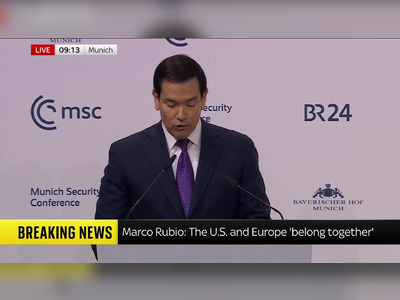
Amid the talks, U.S. officials, including Secretary of State Mark Rubio, are expected to participate in dialogues intended to lay the groundwork for a lasting peace.
The implications of the EU’s decisions extend beyond military aid to encompass broader strategic military financing and investment, reflecting a pivotal moment in its defense policy as the organization seeks to adapt to new geopolitical realities.
President of the European Commission Ursula von der Leyen stated that the current circumstances necessitate increased investment and collaboration to equip Europe for future challenges, declaring the EU must put itself in a position to protect its interests effectively.
In this context, discussions continue regarding the nature of peace negotiations and the criteria for an acceptable ceasefire, emphasizing that any resolution must respect Ukraine's sovereignty and territorial integrity.
While the 27 member states reached an agreement on a comprehensive defense plan valued at €800 billion, Hungarian Prime Minister Viktor Orban declined to endorse the conclusions regarding military assistance to Ukraine, which consequently moved forward with support from the other 26 EU states.
Discussion at the summit highlighted a collective resolve among EU nations to accelerate military mobilization and funding necessary to reinforce Europe's defense apparatus.
The conclusions underscored the existential threat posed by the war in Ukraine and its repercussions for both European and global security.
EU leaders agreed that Europe must evolve into a more autonomous and responsible entity capable of addressing current and future security challenges.
The plan aims to enhance the EU's overall defense readiness, reduce strategic dependencies, and bolster the European defense technological and industrial base to ensure adequate equipment supply at necessary scales and speeds.
As reported, the leaders indicated their consensus on increasing defense budgets across the continent, with intentions to relax expenditure restrictions in a bid to allow greater investment in military production capabilities.
The measures also included a proposition by the European Commission to establish a lending scheme of up to €150 billion for member states' defense investments, which would be sourced from financial markets.
Prime Minister Orban's decision to abstain from signing the military assistance resolution underscores ongoing tensions within the EU regarding support for Ukraine.
Despite this, leaders engaged in dialogue with Ukrainian President Volodymyr Zelensky, outlining the importance of bolstering Ukraine's defense capabilities and maintaining momentum for EU membership aspirations.
Zelensky announced plans for a visit to Saudi Arabia to meet with Crown Prince Mohammed bin Salman, following which discussions are set to continue regarding a potential agreement to resolve the Ukrainian crisis and a six-month ceasefire.
Amid the talks, U.S. officials, including Secretary of State Mark Rubio, are expected to participate in dialogues intended to lay the groundwork for a lasting peace.
The implications of the EU’s decisions extend beyond military aid to encompass broader strategic military financing and investment, reflecting a pivotal moment in its defense policy as the organization seeks to adapt to new geopolitical realities.
President of the European Commission Ursula von der Leyen stated that the current circumstances necessitate increased investment and collaboration to equip Europe for future challenges, declaring the EU must put itself in a position to protect its interests effectively.
In this context, discussions continue regarding the nature of peace negotiations and the criteria for an acceptable ceasefire, emphasizing that any resolution must respect Ukraine's sovereignty and territorial integrity.
AI Disclaimer: An advanced artificial intelligence (AI) system generated the content of this page on its own. This innovative technology conducts extensive research from a variety of reliable sources, performs rigorous fact-checking and verification, cleans up and balances biased or manipulated content, and presents a minimal factual summary that is just enough yet essential for you to function as an informed and educated citizen. Please keep in mind, however, that this system is an evolving technology, and as a result, the article may contain accidental inaccuracies or errors. We urge you to help us improve our site by reporting any inaccuracies you find using the "Contact Us" link at the bottom of this page. Your helpful feedback helps us improve our system and deliver more precise content. When you find an article of interest here, please look for the full and extensive coverage of this topic in traditional news sources, as they are written by professional journalists that we try to support, not replace. We appreciate your understanding and assistance.